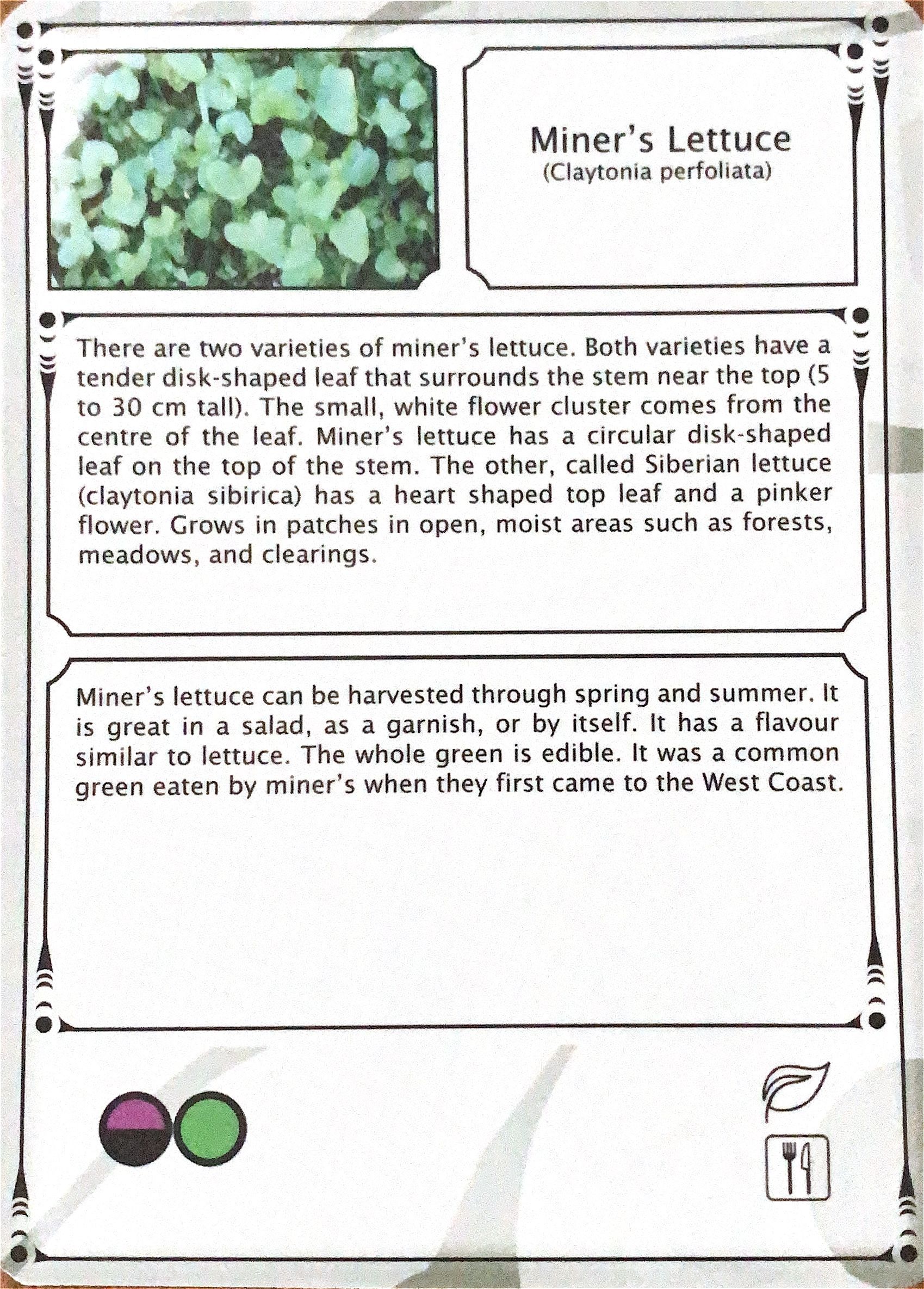
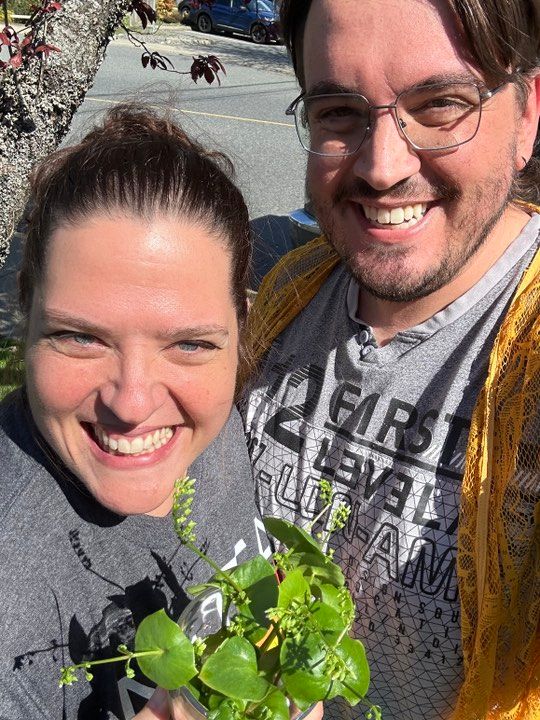
In Indigenous cultures, harvesting indigenous plants goes far beyond mere sustenance—it's a sacred act of connection with the land, our ancestors, and the natural world. When we venture out to gather plants that have sustained Indigenous peoples for generations, we are engaging in a profound relationship with Mother Earth.
Harvesting indigenous plants allows us to immerse ourselves in the rhythms of nature, to breathe in the scents of the earth, and to feel the pulse of life all around us. It is a practice steeped in tradition, wisdom, and respect for the interconnectedness of all living beings.
Moreover, the act of gathering indigenous plants offers a multitude of physical, mental, and spiritual benefits. It reconnects us to our ancestral knowledge, reminding us of our place in the intricate web of life. It nourishes our bodies with the healing properties of these plants, providing sustenance and medicine in equal measure. And perhaps most importantly, it rejuvenates our spirits, offering solace, peace, and a sense of belonging in a world that can often feel disconnected and chaotic.
In essence, harvesting indigenous plants is not just about gathering food or medicine—it is a profound act of reciprocity, gratitude, and reverence for the land that sustains us. It is a reminder that we are part of something greater than ourselves, and that by honoring the earth, we honor ourselves and future generations to come.